
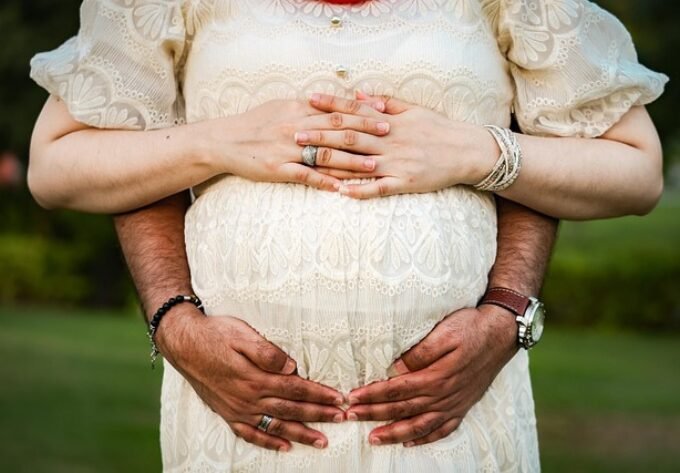
Your body starts giving you hints much before you miss your period, and knowing what to watch for can save you weeks of confusion. Many women feel small changes and wonder if it’s just tiredness from work, weather, or daily stress. This is where early pregnancy symptoms come in. Some women notice these changes within a few days of conception, while others take longer to feel anything at all. Every woman’s body works in its own way, so there is no fixed rule for when signs will show up. This guide walks you through the first signs of pregnancy, how they are different from your normal monthly cycle, and what to do once you spot them. We will also talk about home testing, the common mix-up between period symptoms and pregnancy symptoms, and what to do once you get a positive result. By the end, you should feel more sure about reading your body’s signals and knowing when to visit a doctor.
What Happens in the First Week
The first week after conception looks calm from the outside, but a lot happens inside your body. Hormones start shifting as soon as the egg gets fertilised, and this sets off many small changes.
- Hormone rise: A hormone called hCG builds up in your blood and urine, and this is what pregnancy tests check for.
- Body temperature shift: Many women notice their body stays a little warmer than normal.
- Mild cramping: Light cramps can happen when the fertilised egg sticks to the wall of the uterus.
These changes are often too small to catch on their own. But together, they explain why some women pick up the symptoms of pregnancy in first week, even before their period is due.
Common Early Pregnancy Signs
Once the first week passes, signs often become easier to notice. Knowing these early pregnancy signs helps you connect the dots faster instead of blaming it on stress or a tiring day.
- Sore or heavy breasts: One of the most common signs is breast tenderness early pregnancy brings, caused by hormones getting the body ready for feeding a baby later.
- Feeling sick in the stomach: Often called morning sickness early sign of pregnancy, this can happen at any time of day, not just in the morning.
- Feeling tired all the time: A rise in one hormone can leave you feeling worn out even after a full night’s sleep.
- Peeing more often: More blood flow to the kidneys means more trips to the washroom.
- Mood changes: Hormones can make you feel emotional or short-tempered without much reason.
- Change in taste or smell: Some smells may suddenly feel unpleasant, while some foods may feel more tempting than before.
If you notice a few of these together, it is a strong hint that something is different this month.
PMS or Pregnancy? How to Tell the Difference
A lot of women get confused because period symptoms and pregnancy symptoms look so much alike. Understanding the difference between PMS and pregnancy symptoms can stop you from guessing every month.
Both PMS and early pregnancy can bring sore breasts, mood swings, and tiredness. But a few points set them apart:
- Cramping pattern: PMS cramps build up and fade with your period. Pregnancy cramps are usually lighter and shorter, and happen when the egg attaches to the uterus.
- Spotting vs full flow: PMS leads to a regular period, while pregnancy may bring light spotting instead of a full flow.
- How long tiredness lasts: PMS tiredness clears once your period starts. Pregnancy tiredness stays longer and can even feel stronger.
- Nausea: PMS rarely brings a sick stomach, but it is a common sign of early pregnancy.
Watching for these small differences can help you find the right answer sooner.
Implantation Bleeding vs Period
Many women get worried when they see spotting, thinking their period has started. Learning about implantation bleeding vs period can clear this confusion fast.
Implantation bleeding happens when the fertilised egg attaches to the uterus lining, usually 6 to 12 days after conception. It is:
- Lighter in colour: Often pink or light brown, unlike the deep red of a period.
- Shorter in time: It lasts only a day or two, while a period lasts several days.
- Less in amount: Just a few drops or light spotting, not a steady flow.
If your bleeding matches this pattern and comes earlier than your expected period, it may be a good idea to take a test.
When to Take a Home Pregnancy Test
Timing matters a lot when it comes to home testing. Knowing when to take a home pregnancy test can help you avoid a wrong result that leaves you more worried.
Most home tests work best after you miss your period, since the hCG hormone needs time to build up enough to show on the test. Testing too early can give you a wrong negative result even if you are pregnant. For a clearer reading:
- Test with your first urine in the morning, since hCG is stronger at that time.
- Wait at least one day after your missed period before testing.
- Read the result within the time given on the test packet, not after.
If your test shows positive, or if you keep getting unclear results even after a missed period, a blood test at a clinic or hospital gives a much clearer answer.
How to Know If You Are Pregnant Without a Test
Some women want to spot early clues even before they use a test kit. No single sign can confirm pregnancy on its own, but learning how to know if you are pregnant through your body’s signals can guide your next step.
Watch for a missed period, sore breasts, a sick stomach, tiredness, and light spotting around the time your period should start. If two or more of these show up together, it points toward pregnancy far more than any one sign alone.
What to Do After a Positive Pregnancy Test
Getting a positive result brings many feelings at once, and it helps to know your next steps. Here is what to do after a positive pregnancy test:
- Book a doctor’s appointment: A blood test and check-up will confirm the result and check on your health.
- Start folic acid tablets: This helps support the baby’s early growth.
- Stop alcohol and smoking: Both can harm the baby’s development.
- Note your last period date: This helps your doctor work out your due date.
- Watch what you eat: Add more fruits, vegetables, and protein to your daily meals.
FAQs
1. What are the first signs of pregnancy?
The first signs of pregnancy may include a missed period, sore or tender breasts, tiredness, nausea, frequent urination, mood swings, and light spotting. These symptoms can vary from one woman to another.
2. How soon can pregnancy symptoms start?
Some women notice very early changes within one to two weeks after conception, while others may not experience any symptoms until after they miss their period. Every pregnancy is different.
3. How is implantation bleeding different from a period?
Implantation bleeding is usually light pink or brown spotting that lasts one or two days. A menstrual period is typically heavier, bright or dark red, and lasts several days.
4. When should I take a home pregnancy test?
Most home pregnancy tests are most accurate when taken on or after the first day of a missed period. Using the first urine of the morning can help improve accuracy.
5. Can I be pregnant even if I do not have any symptoms?
Yes. Some women have very few or no early pregnancy symptoms. A missed period followed by a positive pregnancy test is often the first indication of pregnancy.
6. Can pregnancy symptoms feel like PMS?
Yes. Early pregnancy symptoms such as breast tenderness, tiredness, and mood changes can be similar to premenstrual syndrome (PMS). However, nausea, a missed period, and implantation spotting are more commonly linked with pregnancy.
7. What should I do after getting a positive pregnancy test?
Schedule an appointment with a gynaecologist to confirm the pregnancy and begin prenatal care. Start taking folic acid as advised by your doctor, eat a balanced diet, and avoid alcohol, smoking, and any medications that have not been approved by your healthcare provider.
8. When should I see a doctor during early pregnancy?
You should visit a doctor soon after a positive pregnancy test to confirm the pregnancy and plan your prenatal care. Seek immediate medical attention if you experience heavy bleeding, severe abdominal pain, dizziness, fainting, or persistent vomiting.
Taking these steps early gives both you and your baby a good start.
Spotting the first signs of pregnancy does not have to feel confusing once you know what your body is telling you. From sore breasts and tiredness to light spotting and a sick stomach, these signs often show up together and point in one direction. If you have missed your period and notice several of these signs, taking a home test or visiting a doctor is the clearest way forward. For proper guidance, testing, and complete prenatal care, Capital Super Speciality Hospital has experienced doctors ready to support you through every step of your pregnancy journey.