
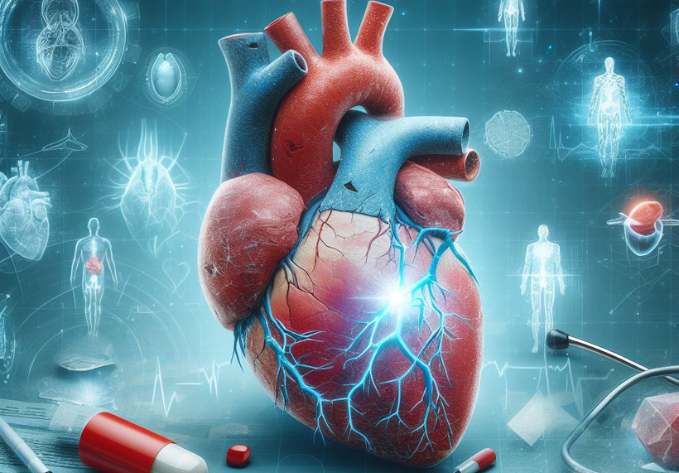
Have you ever heard someone say they were “heartbroken” after losing a loved one — and then suddenly fell seriously ill? What sounds like a figure of speech can actually be a real, diagnosed medical condition. Broken Heart Syndrome, known medically as Takotsubo Cardiomyopathy, is a temporary but serious heart condition that is triggered by intense emotional or physical stress.
It mimics a heart attack — chest pain, breathlessness, and all — yet the arteries are not blocked. Instead, a part of the heart muscle temporarily weakens, unable to pump properly. The good news: with timely medical care, most patients recover fully. The key is recognising the warning signs early.
What Is Broken Heart Syndrome?
Broken Heart Syndrome occurs when a sudden surge of stress hormones — particularly adrenaline (epinephrine) — temporarily “stuns” or weakens the left ventricle of the heart. This causes part of the heart to balloon out and stop pumping effectively, even though blood flow through the coronary arteries remains normal.
The condition was first described in Japan in 1990, and its name “Takotsubo” comes from the Japanese word for an octopus trap — because the left ventricle takes on a distinctive rounded shape during the episode.
Common triggers include:
- Death of a loved one
- A sudden breakup or divorce
- Receiving shocking news (good or bad)
- A serious accident or injury
- Extreme physical illness or surgery
- Domestic violence or trauma
It affects women more than men, particularly those who are post-menopausal, though anyone can develop it.
Early Signs and Symptoms to Watch For
The symptoms of Broken Heart Syndrome can feel alarmingly similar to a heart attack. If you or someone around you experiences any of the following after a stressful event, seek emergency medical care immediately.
1. Sudden Chest Pain
A sharp, squeezing, or pressure-like pain in the chest is often the first and most alarming sign. It may come on suddenly, especially after an emotionally shocking event.
2. Shortness of Breath
Difficulty breathing or a feeling of not getting enough air, even while at rest, is a warning sign that the heart is struggling to pump blood normally.
3. Irregular Heartbeat (Arrhythmia)
Patients often experience palpitations — a racing, fluttering, or pounding sensation in the chest. The heart rhythm may become irregular.
4. Low Blood Pressure
A sudden drop in blood pressure can cause dizziness, lightheadedness, or even fainting. This is because the weakened heart muscle cannot maintain adequate circulation.
5. Nausea and Sweating
Unexplained nausea, cold sweats, or a general feeling of being unwell often accompany the cardiac symptoms.
6. Fatigue and Weakness
An unusual and sudden sense of exhaustion — even without physical exertion — can be a subtle early sign, especially in women.
Important: These symptoms are a medical emergency. Do not wait to see if they pass. Call 108 or rush to the emergency department immediately.
How Is Broken Heart Syndrome Diagnosed?
Because the symptoms closely resemble a heart attack, a cardiologist will run a series of tests to make the correct diagnosis:
- ECG (Electrocardiogram): Detects abnormal electrical activity in the heart
- Blood Tests: Checks for elevated cardiac enzymes (troponin), which rise when heart muscle is stressed
- Echocardiogram: An ultrasound of the heart that shows the characteristic “ballooning” of the left ventricle
- Coronary Angiography: Rules out blocked arteries, which is how Broken Heart Syndrome is distinguished from a true heart attack
- MRI of the Heart: Provides detailed images of heart muscle function and structur
An experienced cardiologist can identify the condition quickly and begin appropriate treatment without delay.
How Does a Cardiologist Help You Recover?
The recovery process for Broken Heart Syndrome is often faster than that of a traditional heart attack — but it must be medically supervised. Here is how a cardiologist guides the recovery:
Step 1: Immediate Stabilisation
In the hospital, the care team monitors the patient’s heart rhythm, blood pressure, and oxygen levels continuously. Medications may be given to support heart function and reduce the workload on the heart.
Step 2: Medications
Depending on the patient’s condition, cardiologists may prescribe:
- Beta-blockers to calm the heart and block further adrenaline surges
- ACE inhibitors to relax blood vessels and ease the heart’s workload
- Diuretics if fluid has built up in the lungs
- Blood thinners to prevent clots during recovery
Step 3: Monitoring Heart Function
The cardiologist will repeat an echocardiogram after a few days to track how the heart muscle is recovering. In most cases, the heart returns to normal function within 4 to 8 weeks.
Step 4: Stress Management and Psychological Support
Since emotional stress is a root trigger, recovery is not just physical. A good care team will recommend:
- Counselling or therapy
- Relaxation techniques (deep breathing, meditation)
- Lifestyle changes to reduce chronic stress
- Support groups for grief or trauma, if relevant
Step 5: Long-Term Follow-Up
Even after recovery, your cardiologist will schedule follow-up visits to ensure the heart continues to function normally and to assess the risk of recurrence.
Can Broken Heart Syndrome Happen Again?
Yes — recurrence is possible, particularly if the underlying emotional or physical stressors are not addressed. Studies suggest a recurrence rate of around 5–10%. This is why ongoing follow-up with a cardiologist and attention to mental health are both essential parts of a long-term care plan.
When Should You See a Cardiologist?
You should consult a cardiologist if:
- You have experienced any chest pain or breathing difficulty following a stressful event
- You have been previously diagnosed with Broken Heart Syndrome
- You have a history of anxiety, depression, or chronic stress alongside heart symptoms
- A family member has been diagnosed with cardiomyopathy or heart disease
Early intervention saves lives and enables full recovery.
Why Choose Capital Super Speciality Hospital?
At Capital Super Speciality Hospital, Yamunanagar, our expert team provides comprehensive cardiac care with advanced diagnostic facilities. From emergency management to long-term follow-up, we are committed to guiding our patients through every step of recovery — with compassion, expertise, and modern medical technology.
- 24/7 Emergency Cardiac Care
- Advanced ECG, Echo & Angiography Services
- Experienced Cardiologists and Critical Care Specialists
- Cashless Treatment Available
- NABH Accredited Hospital
Book an Appointment Today
If you or a loved one has experienced symptoms of Broken Heart Syndrome — or if you simply want a cardiac health check-up — don’t wait.
📞 Call us: +91 8199008804 / 8199008805 📍 Visit us: Capital Super Speciality Hospital, Yamunanagar, Haryana 🌐 Website: www.capitalsuperspecialityhospital.com
Your heart deserves the best care. We are here for you — 24 hours a day, 7 days a week.
Disclaimer: This article is for informational purposes only and does not constitute medical advice. Please consult a qualified cardiologist for diagnosis and treatment.